U.S. Signals a tougher trade stance toward Europe as Germany faces a slowdown, raising new questions for U.S.–EU economic ties.
WASHINGTON / BERLIN — December 8, 2025
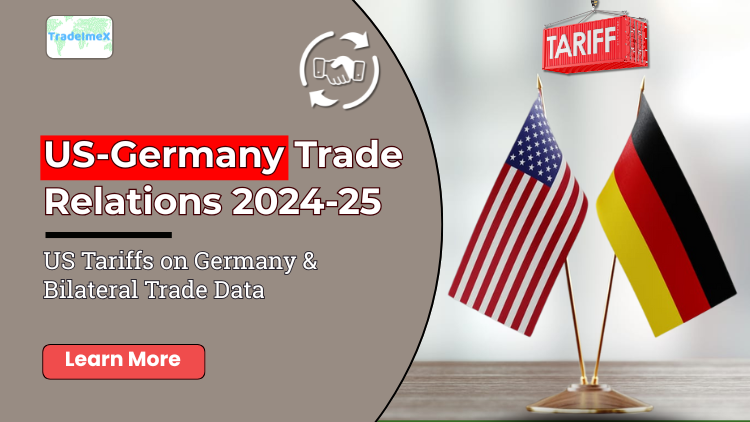
The United States is preparing a firmer trade posture toward Europe, just as Germany confronts a renewed economic downturn—an intersection that analysts say could reshape transatlantic economic policy in 2026. Several senior U.S. officials have floated the idea of revisiting tariffs on European industrial goods, arguing that existing arrangements “no longer reflect strategic realities.” Although no formal policy has been announced, the shift in tone marks a notable departure from the more cooperative approach of recent years.
For Germany, the timing is particularly challenging. Europe’s largest economy is grappling with weak industrial output, slowing exports, and persistent inflationary pressures. The coalition government in Berlin has warned that fiscal tightening may be necessary, even as its manufacturing sector continues to struggle with high energy costs and geopolitical uncertainty. A more confrontational U.S. stance—whether through tariffs or pressure on supply-chain diversification—could further strain German industry at a moment of heightened vulnerability.
Economists on both sides of the Atlantic note that the U.S. sees its emerging trade policies as strategic rather than purely economic. Washington is increasingly focused on reducing dependencies, strengthening domestic production, and asserting leverage in sectors such as electric vehicles, semiconductors, and green technologies. European policymakers, however, view these moves as potentially protectionist, especially if they disadvantage German and EU exports.
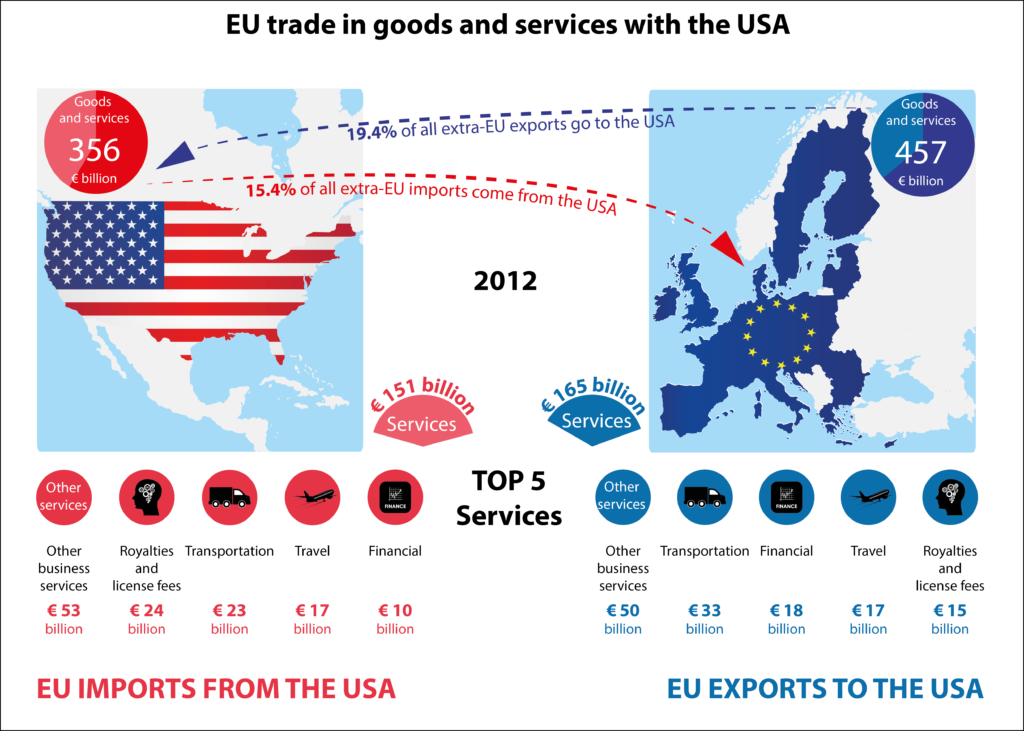
The risk, analysts warn, is a drift toward economic fragmentation between long-standing allies. While both Washington and Brussels insist that cooperation remains essential, the political pressures of 2026—U.S. domestic priorities, Germany’s fragile economic recovery, and Europe’s broader search for industrial competitiveness—are likely to test that relationship.
As Germany seeks to stabilize its economy and redefine its industrial strategy, it may find itself navigating an increasingly complex U.S. policy landscape—one where strategic competition, not market openness, shapes the terms of engagement.