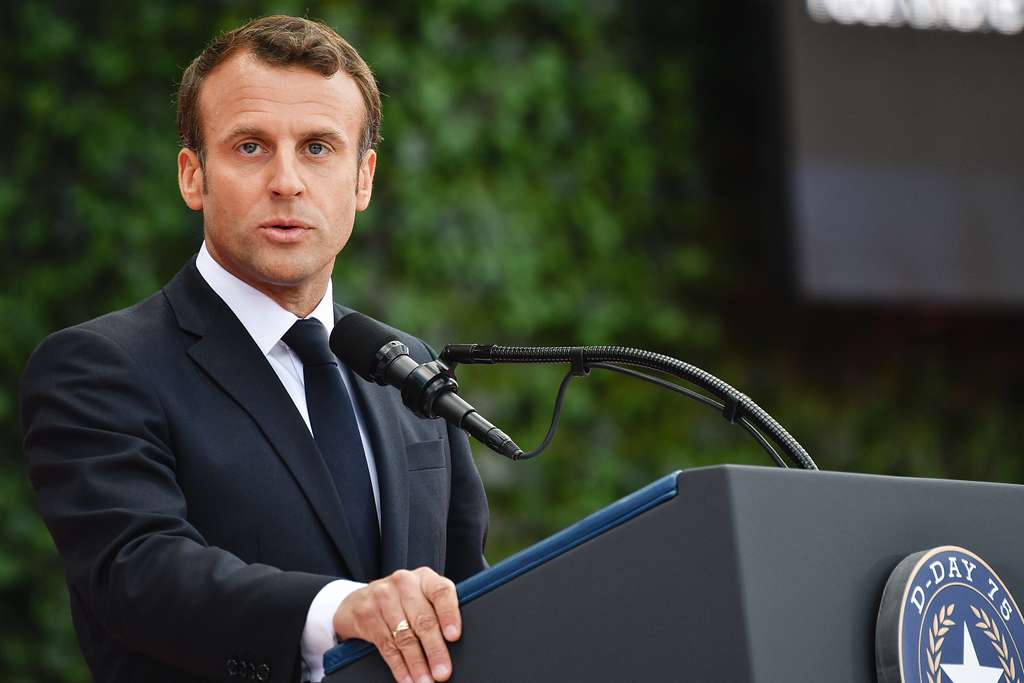
Trump’s new security strategy warns Europe faces “civilizational erasure,” intensifying U.S.–EU debate on immigration and identity.
A Sharper Strategic Warning
Former U.S. President Donald Trump’s newly outlined security strategy has reignited political debate across Europe and the United States. Central to the document is a stark warning that Europe is facing what he calls “civilizational erasure”—a phrase that signals a dramatic escalation in the transatlantic discourse on immigration, cultural identity, and national security. While Trump’s rhetoric is not new, the formalization of this language in a strategic policy framework has prompted renewed examination from analysts and European leaders.

Context Behind the Claim
Trump’s argument is rooted in concerns about large-scale migration to Europe, particularly from the Middle East and Africa. The strategy asserts that demographic changes, rising social tensions, and challenges to assimilation are pushing Europe toward a cultural tipping point.
German analysts, however, note that while migration has influenced domestic politics—especially the rise of the AfD—European institutions continue to emphasize integration, rule of law, and economic stability as counterweights to such narratives.
European Leaders React Cautiously
In Berlin and Brussels, the initial reaction has been muted but cautious. European officials are aware that Trump’s language resonates with segments of the U.S. electorate and mirrors rhetoric used by right-wing political parties in Europe.
Germany, navigating its own debates over asylum reforms and coalition instability, is keen to avoid becoming the center of another transatlantic political clash. Analysts warn that accepting Trump’s framing could embolden nationalist movements while complicating cooperation with a potential future U.S. administration.

Implications for Transatlantic Policy
If adopted by U.S. policymakers, Trump’s security posture could reshape NATO dynamics, migration cooperation, and intelligence sharing. By framing Europe’s challenges as civilizational rather than structural, the strategy could pressure European governments to adopt more restrictive border and security policies.
At the same time, critics argue that such framing oversimplifies complex social issues and risks undermining the shared democratic values that underpin U.S.–EU partnerships.
A Debate That Will Shape 2025
As both the United States and Europe head into critical political cycles, Trump’s strategy ensures that debates over identity, borders, and security will remain central. For Germany, the challenge is balancing domestic stability with a rapidly shifting geopolitical narrative—one increasingly influenced by Washington’s changing tone.