Merz’s Coalition Faces Internal Strain
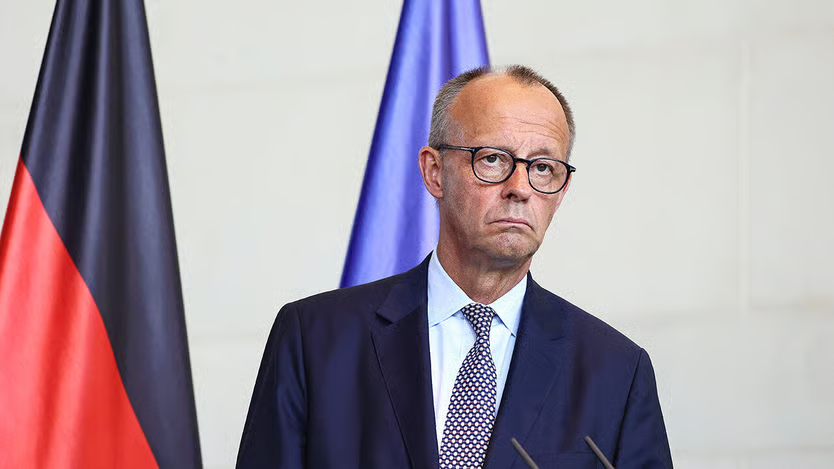
Germany’s political stability is once again under the spotlight as Friedrich Merz’s fragile coalition buckles under pressure to reform Germany. The conservative-led alliance is struggling to maintain unity amid disagreements over economic, social, and energy reforms.
Merz, leader of the Christian Democratic Union (CDU), has faced mounting criticism from both coalition partners and the opposition. His promise to modernize Germany’s economy and reduce bureaucracy now faces serious political hurdles.
Disagreements Over Economic Policy
At the heart of the crisis lies a sharp divide over fiscal and energy policies. The coalition’s liberal and centrist members are clashing over how to handle inflation, energy subsidies, and labor reforms.
While Merz has pushed for spending cuts and pro-business reforms, his partners demand more social protection and public investment. These internal disputes have slowed key legislation meant to stimulate Germany’s struggling economy.
As Germany battles rising costs and sluggish growth, the pressure on the coalition continues to grow. Analysts warn that without compromise, Merz’s government could face collapse before major reforms take hold.
Public Frustration Mounts
The German public appears increasingly frustrated. Polls show declining confidence in the government’s ability to deliver results. Many citizens view the coalition as divided and ineffective.
Merz’s attempt to project strong leadership has been overshadowed by internal bickering and policy delays. Critics argue that the administration lacks clear direction on crucial issues such as climate policy and digital infrastructure.
Furthermore, opposition parties have seized on the turmoil, accusing Merz of prioritizing party politics over national progress.
European Partners Watch Closely
Germany’s political uncertainty has also drawn attention across Europe. As the continent’s largest economy, Germany plays a key role in EU stability and growth.
European leaders are watching closely, concerned that Germany’s reform paralysis could weaken broader EU initiatives. Merz’s coalition turmoil comes at a time when the EU faces challenges like energy dependency, defense spending, and migration.
Brussels officials quietly urge Berlin to resolve its internal differences quickly and restore confidence in German governance.
What Lies Ahead for Merz
Political analysts believe Merz still has time to rebuild trust — but it requires decisive action. Strengthening communication among coalition partners and prioritizing key reforms could help stabilize his leadership.
However, if current trends continue, the fragile coalition could unravel, potentially triggering early elections. For now, Merz insists his government remains committed to reforming Germany, even amid growing political pressure.
The coming months will determine whether his coalition survives or becomes another chapter in Germany’s recent political turbulence.