Trump Issues Strong Warning to Nigeria
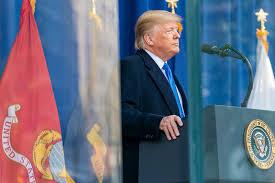
Former U.S. President Donald Trump has threatened military action in Nigeria in response to what he calls “systematic persecution of Christians.” His comments have ignited global debate, drawing both support and criticism from political leaders and human rights groups.
Speaking at a rally in Texas, Trump accused the Nigerian government of failing to protect Christian communities from ongoing violence by extremist groups. He declared that if he returns to office, the United States “will not stand by while innocent Christians are slaughtered.”
Rising Violence in Nigeria
Nigeria has faced years of deadly clashes between farmers, herders, and militant groups, particularly in its northern and central regions. Attacks on Christian villages have escalated, with hundreds killed in recent months.
Human rights organizations have long criticized the Nigerian government for weak responses and inadequate protection. Trump’s remarks came amid reports of renewed violence targeting Christian communities in Plateau and Benue states.
Although the Nigerian government has condemned extremist attacks, critics say it has failed to curb the rising wave of sectarian violence.
Reactions from Nigerian Officials
Nigeria’s Foreign Ministry responded swiftly to Trump’s comments, calling them “reckless and inflammatory.” Officials stated that the nation’s internal security is not under U.S. jurisdiction and warned that foreign interference could worsen tensions.
Government spokespersons insisted that Nigeria is addressing religious violence through national security initiatives and community outreach programs.
Meanwhile, Nigerian civil society groups expressed mixed feelings. Some welcomed Trump’s call for attention to Christian persecution, while others warned that U.S. military action in Nigeria could destabilize the region further.
Global Leaders React
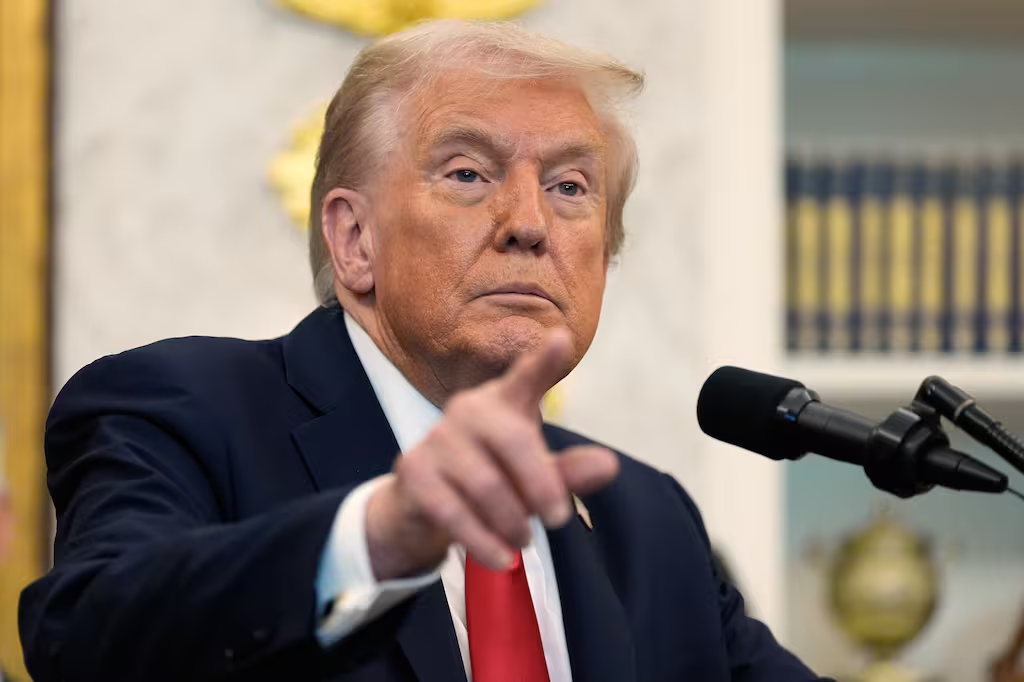
World leaders and diplomats have weighed in on Trump’s statement. The United Nations urged all parties to prioritize dialogue over threats of force. European allies also expressed concern that such remarks could heighten geopolitical tensions in West Africa.
In the U.S., Trump’s supporters hailed his comments as proof of strong leadership and moral conviction. They argue that protecting global religious freedom should remain a top American priority.
However, critics accused Trump of using religion as a political tool. They caution that foreign military intervention would risk deepening Nigeria’s already fragile situation.
Implications for U.S.-Nigeria Relations
Analysts say Trump’s statement could strain Washington’s relations with Abuja if he were to pursue such policies in a future administration. Nigeria remains one of the United States’ key partners in trade, counterterrorism, and regional stability.
For now, the White House has not issued an official response. But the debate continues to grow — raising questions about how far America should go in defending global religious freedom.