Billions Paid Despite Sanctions
Recent reports reveal that German companies paid Russia €1.72 billion in taxes last year. The revelation has triggered widespread concern that the money may indirectly fund Russia’s war in Ukraine.
Despite Western sanctions and corporate pressure to leave the Russian market, several major German firms continue to operate there. Their tax contributions, critics say, may strengthen the Kremlin’s ability to sustain its war effort.
The payments highlight a growing dilemma for European companies caught between maintaining profits and adhering to moral and political pressure.
Corporate Operations Under Scrutiny
Many German companies, including leading manufacturers and consumer brands, still have active branches in Russia. These entities pay local taxes as required by Russian law. However, the scale of the €1.72 billion payment has shocked analysts and lawmakers in Berlin.
According to transparency groups, these funds could directly or indirectly bolster Moscow’s state budget, which heavily finances military operations in Ukraine.
German lawmakers and human rights groups are now demanding stricter monitoring of corporate activity in Russia. They argue that allowing such financial flows undermines Europe’s united stance against the invasion.
Government Faces Mounting Pressure
The German government is under growing domestic and international pressure to tighten rules for companies that continue doing business in Russia.
Opposition politicians accuse Berlin of turning a blind eye to firms prioritizing profits over ethics. Some even propose penalties or higher reporting standards for any European company paying significant taxes to the Russian government.
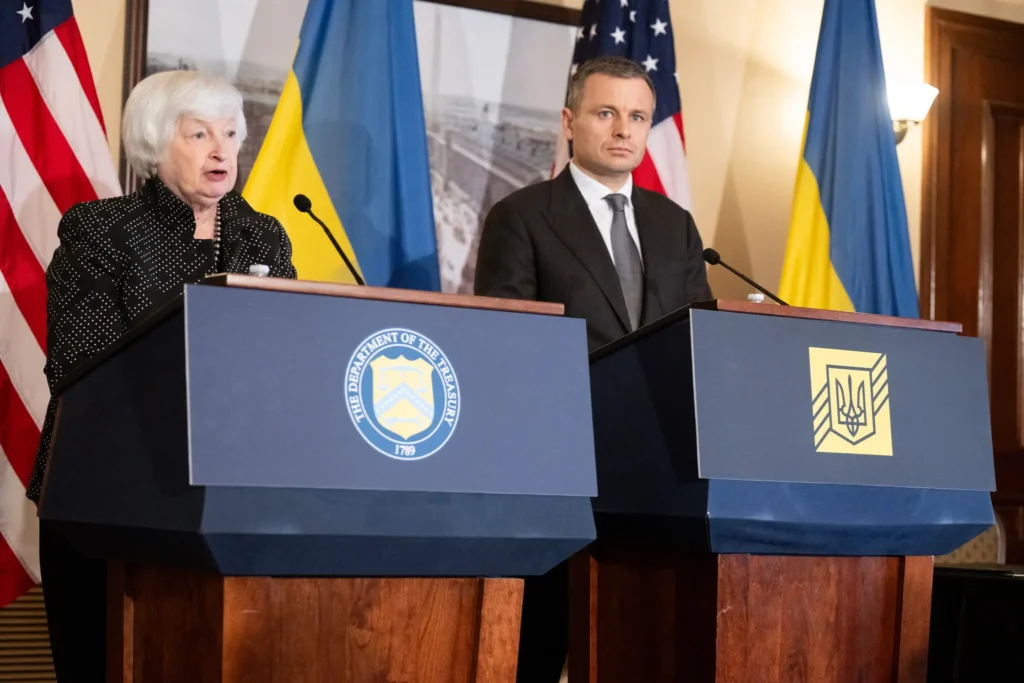
Meanwhile, officials argue that Germany’s complex trade ties and energy history with Russia make full economic disengagement challenging.
Still, the political debate is intensifying. The issue has quickly become a test of Germany’s commitment to supporting Ukraine while balancing its economic interests.
Companies Defend Their Presence in Russia
Several German corporations have defended their continued operations, stating they must comply with local laws and maintain basic services for civilians. They insist that withdrawing could harm ordinary Russians more than the state itself.
Yet, advocacy groups counter that every euro sent in taxes to Moscow strengthens the war machine. They call for transparent disclosures of all financial transactions made within Russia by Western companies.
The tension reflects the broader European challenge — how to isolate Russia economically without disrupting global markets or triggering economic backlash at home.
Global Reaction and Next Steps
The European Union has not yet commented officially, but insiders suggest new guidelines may emerge soon. These could limit the extent of financial cooperation allowed in sanctioned nations.
Analysts warn that such revelations could further strain relations between Moscow and Western capitals. The payments may also prompt calls for secondary sanctions against companies still contributing to Russia’s economy.
As the war in Ukraine continues, the controversy underscores how business decisions can carry major geopolitical weight.