Court Blocks Trump’s Citizenship Rule
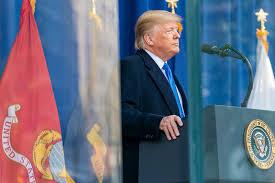
A federal judge permanently barred former President Donald Trump from enforcing a rule that required voters to show proof of citizenship for voter registration. The ruling, issued this week, marks a major victory for civil rights advocates who argued that the policy violated federal election laws.
The decision ensures that US citizens can continue registering to vote without presenting additional documentation beyond standard identification requirements. The court emphasized that the measure would have unfairly burdened eligible voters, particularly minorities and low-income citizens.
A Long Legal Battle Ends
The legal fight began during Trump’s administration, when officials sought to tighten voter registration laws in the name of “election integrity.” The proposed rule demanded documentary proof of citizenship — such as passports or birth certificates — for new voters.
However, several states and advocacy groups challenged the rule, arguing it would suppress voter turnout and violate the National Voter Registration Act (NVRA). The judge’s permanent injunction now blocks the policy nationwide, preventing its future enforcement.
According to the ruling, the federal government failed to demonstrate widespread voter fraud that would justify such a strict requirement.
Reactions from Both Sides
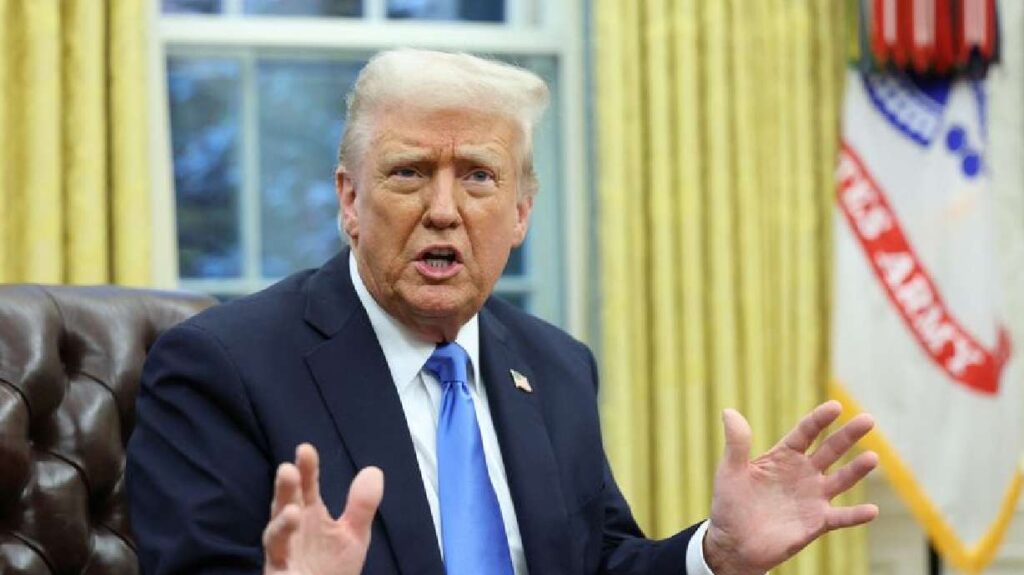
The Trump camp criticized the decision, calling it a blow to election security. Spokespersons claimed the ruling allows “noncitizens to exploit the voting system.” They vowed to appeal and continue advocating for tighter registration measures.
On the other hand, voting rights organizations hailed the verdict as a major win for democracy. They argue that the proof of citizenship requirement would have discouraged millions from participating in elections.
The judge’s order reaffirmed that federal laws already provide safeguards against illegal voting, making Trump’s rule unnecessary and unconstitutional.
Impact on Future Elections
Election experts say the ruling could shape future debates on voting rights and election integrity. The decision sends a clear message that new barriers to registration must meet strict legal scrutiny.
States that had considered adopting similar rules are now expected to pause their plans. The judgment strengthens federal protections for accessible and fair elections ahead of upcoming national and state contests.
Moreover, civil rights groups are urging Congress to expand voter protections and ensure equal access for all eligible citizens.
What This Means for Voters
For millions of Americans, the decision offers reassurance. They can continue registering using existing identification methods without fear of added bureaucracy.
The judge’s ruling ensures that no administration can impose proof of citizenship requirements that undermine federal election laws.
As the 2026 midterm elections approach, the verdict reinforces a key principle — protecting the right to vote remains fundamental to American democracy.